Introduction to AI Career Paths
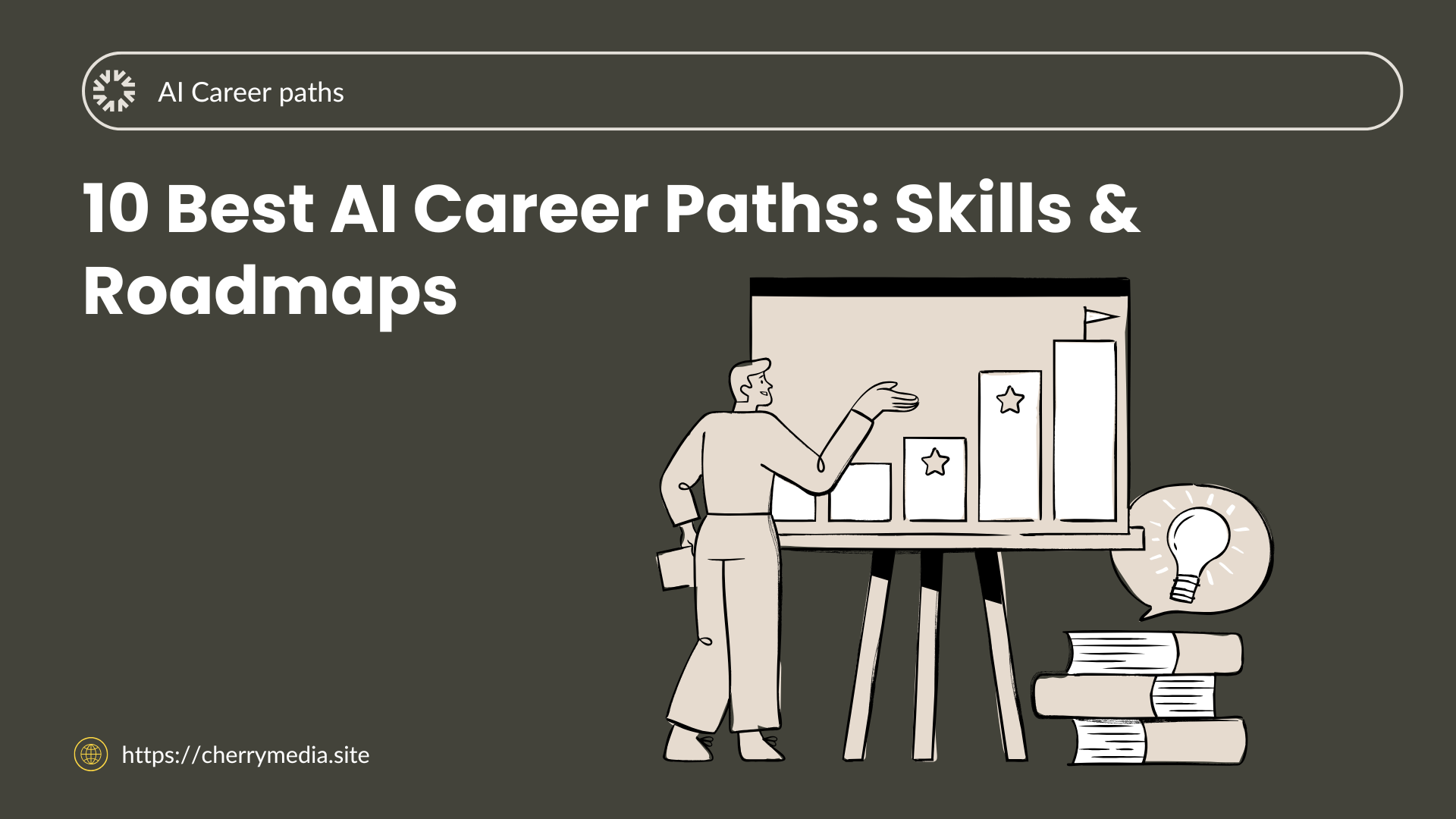
Whether you are looking for a full-time job, a side hustle, or just curious about the potential for a career in AI, identifying the most promising paths can help guide your journey. This article explores ten of the best AI career paths, the necessary skills for each role, and a roadmap to help you get started.
1. Data Scientist
Data scientists combine domain expertise, programming skills, and knowledge of statistics to derive insights from complex data sets. To excel in this role, you need proficiency in programming languages like Python or R, strong statistical skills, and experience with data visualization tools such as Tableau or Power BI.
Skills Needed:
- Proficiency in Python, R, or SQL
- Expertise in statistical analysis
- Strong data visualization capabilities
- Machine learning knowledge
Roadmap:
- Educational Background: Obtain a degree in statistics, mathematics, or computer science.
- Build Proficiency in Tools: Get hands-on experience with tools like Pandas, NumPy, and Matplotlib.
- Real-World Projects: Work on practical projects to build a portfolio showcasing your skills.
2. Machine Learning Engineer
Machine Learning Engineers create algorithms that enable systems to perform tasks without explicit instructions. This career path requires knowledge of software engineering practices and a solid understanding of machine learning concepts.
Skills Needed:
- Proficient in programming languages such as Python and Java
- Strong understanding of machine learning algorithms
- Familiarity with frameworks like TensorFlow or PyTorch
Roadmap:
- Solidify Your Foundation: Take courses that strengthen your understanding of data structures and algorithms.
- Hands-On Projects: Build and fine-tune machine learning models using real datasets.
- Collaboration: Work with data scientists to apply models in real-world scenarios effectively.
3. AI Research Scientist
AI Research Scientists are pioneers in the field, conducting experiments and advancing the technology behind AI. A strong background in mathematics, particularly linear algebra and probability, is crucial.
Skills Needed:
- Advanced mathematical comprehension
- Expertise in programming languages
- Knowledge of AI theories and frameworks
Roadmap:
- Advanced Education: Pursue a master’s or Ph.D. in computer science or a related field.
- Stay Updated: Regularly review current research papers and trends in AI.
- Research Contributions: Engage in research projects that contribute to the scientific community.
4. AI Ethics Consultant
With the rise of AI, ethical considerations have become paramount. AI Ethics Consultants guide organizations on responsible AI use, ensuring compliance and ethical implementation.
Skills Needed:
- Understanding of the ethical implications of AI
- Strong communication skills
- Familiarity with AI technologies
Roadmap:
- Educational Background: A degree in social sciences, law, or ethics can be beneficial.
- Gain Technical Knowledge: Familiarize yourself with common AI technologies and practices.
- Networking: Participate in conferences and discussions related to AI ethics.
5. Business Intelligence Analyst
Business Intelligence Analysts leverage data analytics to provide strategic insights, making them invaluable in decision-making processes. Proficiency in analytical tools and data interpretation is essential.
Skills Needed:
- Experience with BI tools (e.g., Tableau or Microsoft Power BI)
- Analytical and problem-solving skills
- Database understanding (e.g., SQL)
Roadmap:
- Educational Background: Pursue a degree in business, finance, or analytics.
- Tools Proficiency: Get acquainted with BI software through online courses and workshops.
- Work Experience: Start as an intern or junior analyst to gain practical insights.
6. Robotic Process Automation Developer
RPA Developers automate mundane tasks, improving efficiency across various business operations. This role requires programming skills and a deep understanding of business processes.
Skills Needed:
- Programming proficiency (e.g., Python, C#)
- Knowledge of RPA tools (e.g., UiPath, Blue Prism)
- Understanding of business operations
Roadmap:
- Technical Training: Complete courses on RPA tools and practices.
- Hands-On Experience: Work on RPA projects or internships to refine your skills.
- Certification: Consider getting certified in RPA to enhance your credibility.
7. Chatbot Developer
Chatbot Developers design and implement AI-powered chatbots for various industries. This role blends natural language processing (NLP) and software development.
Skills Needed:
- Strong programming skills
- Understanding of NLP
- Familiarity with chatbot frameworks like Dialogflow or Rasa
Roadmap:
- Understand NLP: Take courses that focus on natural language processing and machine learning.
- Build Chatbots: Create sample chatbots to showcase your development skills.
- Continuous Learning: Keep updated with chatbot development trends and technologies.
8. Computer Vision Engineer
Computer Vision Engineers develop applications that allow computers to interpret visual data. This field is growing rapidly, especially in areas like autonomous vehicles and image analysis.
Skills Needed:
- Proficient in programming (Python, OpenCV)
- Understanding of image processing and machine learning techniques
- Experience with frameworks like TensorFlow
Roadmap:
- Foundational Knowledge: Obtain relevant courses focused on machine learning and computer vision.
- Portfolio Development: Work on projects that involve image recognition and processing.
- Collaboration: Partner with data scientists to enhance models and applications.
9. AI Product Manager
AI Product Managers bridge the gap between technical teams and business objectives. This role involves strategic planning and execution of AI product development.
Skills Needed:
- Product management experience
- Strong technical understanding of AI/ML concepts
- Excellent communication and leadership skills
Roadmap:
- Business Acumen: Develop an understanding of product management principles.
- Technical Proficiency: Familiarize yourself with AI technologies and their applications.
- Hands-On Experience: Engage in product development projects to gain practical experience.
10. AI Consultant
AI Consultants advise businesses on integrating AI technologies to improve their operations. This role necessitates a comprehensive understanding of both AI and business strategies.
Skills Needed:
- Strong analytical and problem-solving skills
- Broad understanding of AI applications
- Excellent communication skills
Roadmap:
- Diverse Knowledge: Gain experience in both AI and various industries.
- Networking: Build connections within the tech and business sectors.
- Continuous Learning: Stay updated on AI advancements and industry trends.
Conclusion: Your Future in AI
The rapid evolution of artificial intelligence presents various career opportunities for aspiring professionals. By exploring the paths outlined, identifying the necessary skills, and following the suggested roadmaps, you can carve out a successful career in the realm of AI. Dive into the exciting world of AI, and harness your skills to make an impact in this revolutionary field. Your future in AI starts now!